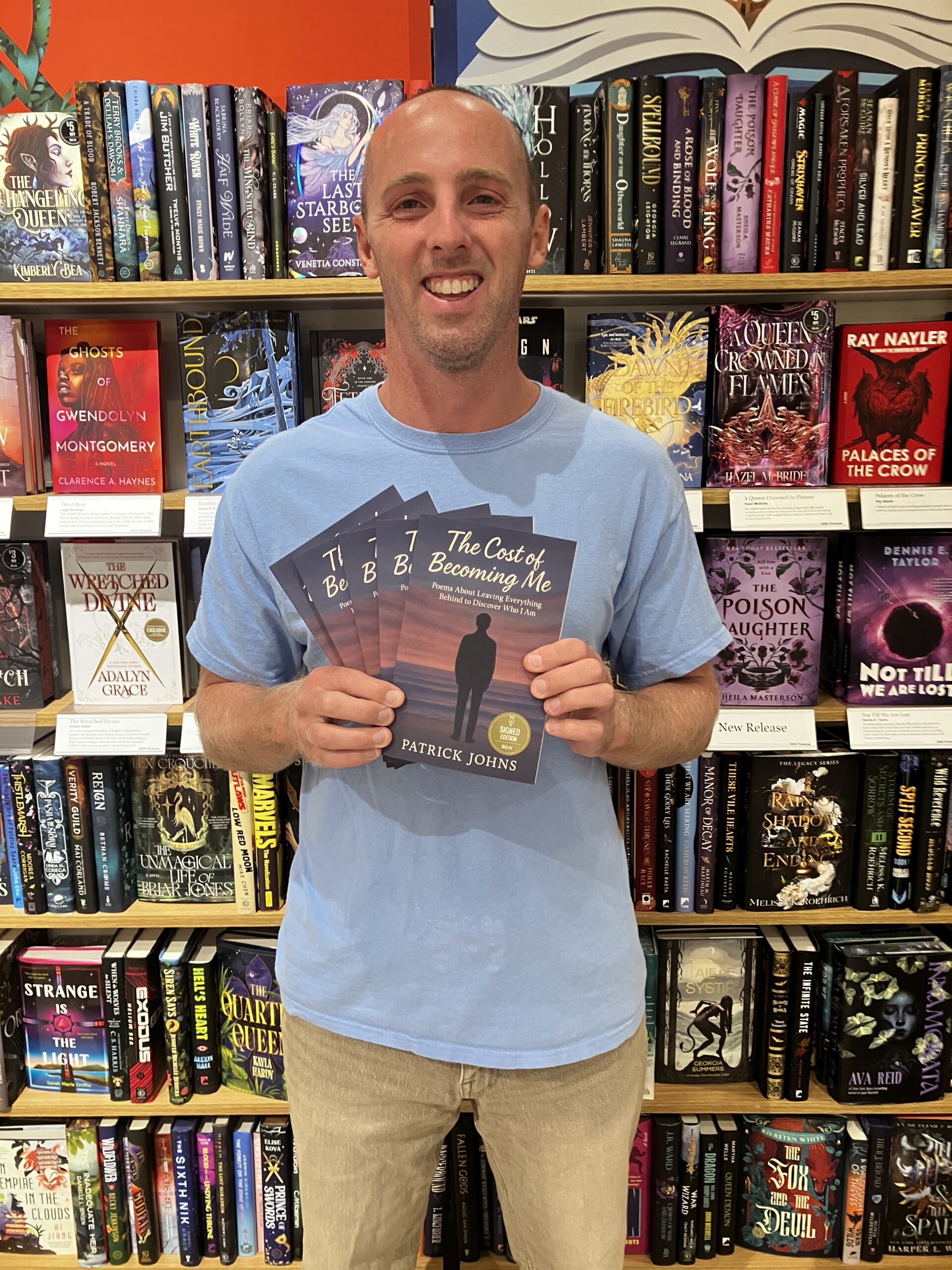


Publishing a book is exciting. But let’s be honest, it can also feel overwhelming.
I’ve been working with one of my clients for a year and a half, helping her grow a book from nothing more than a seed of an idea into a 40,000+ word manuscript. This September, her book is finally coming out. Watching her journey has been inspiring, but it has also reminded me of something important: writing the book is the easy part.
Publishing, and especially marketing, that’s where things get tricky.
Between launch teams, beta readers, editors, cover artists, setting up accounts on Kindle Direct Publishing, Book Funnel, and MailerLite, creating an email list, writing automated sequences, and figuring out how to promote it all…it’s enough to make anyone want to throw their hands up.
Even with ten years of research under my belt, translating that knowledge for someone brand new to publishing is no small task. And for my client, learning all of this in just a few months has been exhausting. She’s said more than once: “I’ve never worked this hard in my life. It’s harder than getting my PhD.”
That level of overwhelm is real. And it got me thinking back to when I was first learning marketing, hearing new terms, seeing endless “must-try” strategies on TikTok, Instagram, podcasts, festivals, and more. It all felt like too much, and like I needed to do it all at once.
But here’s the truth: you don’t need to do it all.
1. You Don’t Need to Know Everything at Once
One of the best pieces of advice I ever received came from Jen, who I worked with through Brian Cohen’s Best Page Forward. She said:
“You don’t need to know everything at once. Trust yourself, trust the system, and trust that the right information will come to you when you’re ready.”
That advice changed the way I think about learning. If you’re sitting in a seminar or listening to advice and your brain just can’t absorb it, that’s okay. Take it in, but don’t force yourself to act on it. Trust that it will come back around when you’re ready.
I’ve seen this play out with things like Kickstarter campaigns and Facebook ads. They’re powerful tools, but I know my brain isn’t ready to dive into them yet. One day I will. Just not right now.
2. Marketing Doesn’t Guarantee Results
Another gem came from my friend and fellow author, Kyrie Wang. She reminded me of something so important: in school, we’re trained to believe that if we put in the work, we’ll see results. But marketing doesn’t work that way.
You can pour hours into a strategy, follow every step perfectly, and still not see the outcome you want. It doesn’t mean you failed—it just means marketing is unpredictable. What works for one author might not work for you.
The key is to keep going anyway. Put in the work, trust the process, and remember that results often come years down the line, not immediately. That’s why so many people quit—but if you keep moving forward, you’ll separate yourself from the pack.
3. Pick One or Two Strategies That Fit You
Brian Cohen, the founder of Best Page Forward, offers another piece of advice I live by: you can’t do it all.
Instead of spreading yourself thin across every platform, pick one or two marketing channels that feel right for you. Maybe you like Instagram more than Facebook. Maybe TikTok makes you cringe but YouTube feels fun. Maybe you’d rather show up at live events and talk to readers in person.
The point is: choose what resonates, commit to it, and ignore the rest. Marketing shouldn’t feel like an endless drag. The more you can align it with your strengths and passions, the better.
Personally, I love playing live music. So I’ve been performing at open mics—not just for fun, but also as a way to get out in front of people and share my books. For you, it might be art, dance, painting, or any other hobby you already enjoy. Find ways to turn that into a marketing tool. When you’re having fun, it doesn’t feel like work.
4. Write the Next Book
At the end of the day, the best marketing advice I’ve ever heard—and the one I believe in most—comes back to this: always write the next book.
You can spend all your time, money, and energy on marketing, but if you only have one book out, readers won’t have anywhere else to go after finishing it. Having a backlog of books is what builds loyal fans.
Think about your favorite authors. Chances are you discovered them once they already had multiple books out. That’s how you turn one-time buyers into lifelong readers.
So if you take nothing else from this post, take this: spend 80% of your time writing and 20% marketing. Keep creating. The more books you publish, the easier the marketing becomes.
A Word of Caution
One last thing: beware of people trying to sell you expensive marketing services. Writers are vulnerable because we care so deeply about our work, and unfortunately, there are plenty of people ready to take advantage of that.
Yes, there are great resources out there—Brian Cohen’s Ad School is one of them—but remember, no one can promise you results. Not me, not anyone. The market is always changing, and what works for someone else might not work for you. Trust yourself, stay grounded, and don’t fall for quick fixes.
Final Thoughts
Marketing is scary. Overwhelming. Frustrating. But it doesn’t have to stop you from pursuing your writing dreams.
Take it one step at a time. Pick the strategies that fit you best. Don’t try to do it all at once. And above all—keep writing.
Because your next book might be the one that changes everything.