
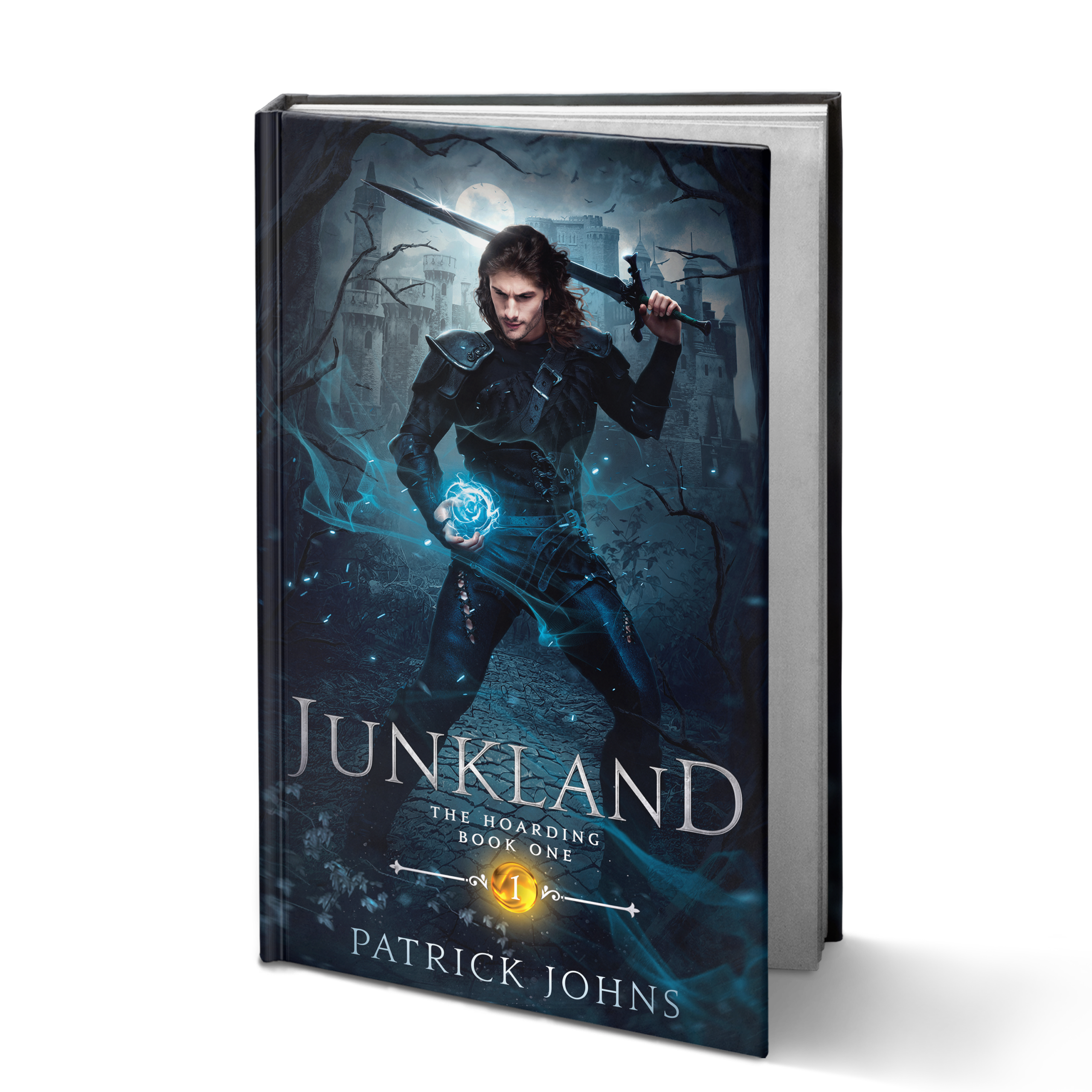
After seeing Aladdin on Broadway, the creative juices flowed unlike anything I’d ever experienced when I dove into what would become the first draft of Junkland.
Beyond that, I had no idea what I was doing. No direction. No plan. All I had was the picture I had taken in the stairwell of the emergency light—the inspiration behind the birth of The Hoarding series—open on my computer.
It reminded me of the Disney character Wall-E.
So I asked myself, “What type of setting do I see this character in?”
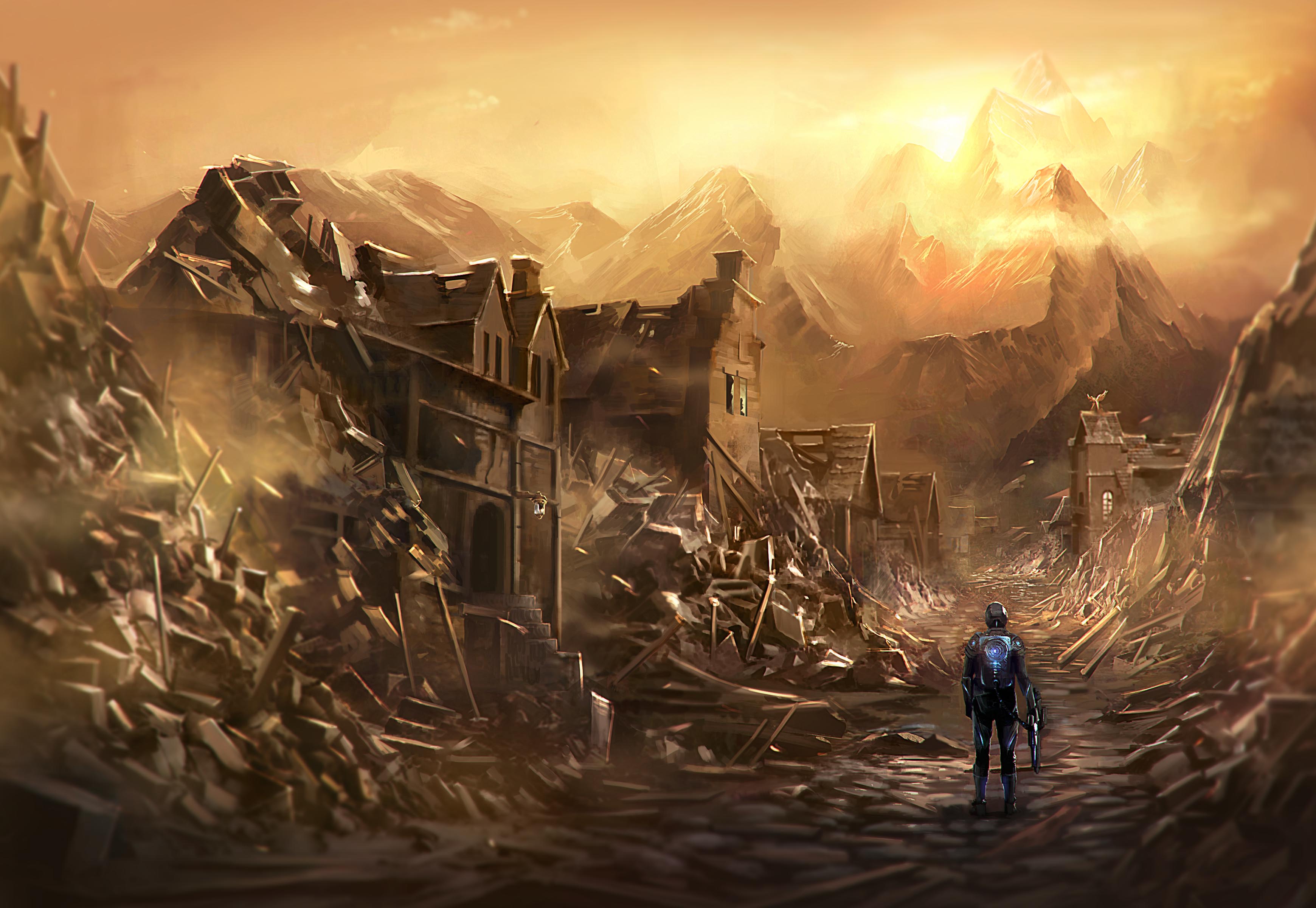
A wasteland-type world instantly came to mind, along with the name Junkland, which would eventually become the title. I imagined a similar world Wall-E lived in, with junk walls towering toward the sky. I had just seen Wall-E for the first time a few years before that, so I’m sure that’s where the inspiration came from. Great movie!
Now I had the world.
The next question was, what story belonged in it?
This part was easy. I wanted to write a story like Aladdin: a story about a boy who longs for a better life and a rebellious princess who dreams of escaping her royal duties.
I wanted a human character like Aladdin, filled with hopes and dreams. He would eventually fall in love with the rebellious princess who had secretly escaped the castle. Sound familiar?
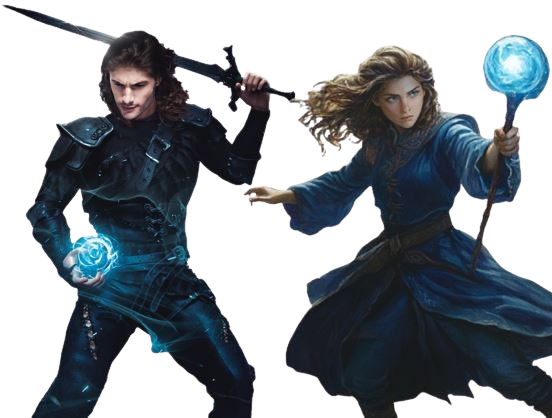
I quickly realized there were a lot of plot holes. What did the wasteland and emergency light have to do with anything? This book was already leaning into fantasy (which makes sense since I’m an avid fantasy reader), but now there’s a robot and junk walls everywhere? Doesn’t that scream sci-fi and dystopian?
I decided not to worry about it. I just kept writing.
I imagined my main character as a junk scavenger, searching the wasteland (like Wall-E does) for discarded tools and forgotten artifacts. This idea would later become the Retrievers, who work dangerous jobs for the castle throughout the Junkland.
Then I brought the emergency-light character into the story as the scavenger’s companion. Together, they set out on the adventure that would eventually grow into Junkland.
Next up was the villain. An evil sorcerer like Jafar was a no-brainer. But instead, I turned Jafar into an evil sorceress.
The plot was simple. The boy, his robot companion, and the rebellious princess would have to stop the evil sorceress from taking over their home.
But then I realized something else.
The evil sorceress needed an army. It couldn’t just be her trying to conquer the world. So I started wondering what kind of evil pawns would fit in this story.
Star Wars was one of my favorite movies, and the idea of adding lightsabers and blasters had always been on my mind. I couldn’t add laser swords—that was way too close to Star Wars. But I needed an epic swordfight. I needed blasters.
Which led to another problem.
What kind of world was this actually?
Was this a futuristic planet? Was it a medieval world from the past? If it was medieval, how could there be a wasteland and a robot and blasters for crying out loud?
Then the idea hit me.
Wouldn’t it be freaky if these blaster-like invaders attacked a medieval city and turned it into a wasteland?
That was it.
Everything suddenly started revolving around that one idea.
Once I committed to the story taking place in a medieval world, I had to say goodbye to the emergency-light character and scrap him from the story. You can’t imagine how difficult that was. I loved that little guy, but he no longer belonged.
In the early drafts, I originally had these blaster-like invaders come from a different planet. But as the book developed, I dropped the alien angle and decided they would come from the other side of the mysterious mountain line that no one had ever crossed. That made the mystery even stronger. Why did they have this technology? Where did they come from? What did they want? What did they have to do with the main character? These were the questions I, myself, had to figure out as I dove deeper into discovering my story.
Since the story still took place in a medieval wasteland, I started imagining these stormtrooper-like invaders mixed with the Ghostbusters, equipped with blaster-like guns attached to packs on their backs by extendable tubes.
Then another thought crossed my mind.
What if these guys created the wasteland?
What if they sucked everything into those packs and later fired out giant blocks of junk, creating the towering walls I had imagined from Wall-E?
Now everything was finally starting to connect.
Looking back, I realize I was trying to combine all of my favorite stories into one: Aladdin, Wall-E, A Game of Thrones, The Lord of the Rings, Star Wars, and Ghostbusters. At the time, I wasn’t thinking about it that way. I was simply following one idea after another and seeing where each one led.
So I had the world built (for the most part). Now came the tricky part: building a story around all of it and somehow making sense of everything.
But I never once hesitated. I never once paused. I just wrote without knowing what I was doing, trusting what my heart was telling me to do.
I never learned how to format a book, but I learned it. I never knew how to outline, but I just did it. I trusted my storytelling instincts because, deep down, I knew what made a good story. I trusted in the story of Aladdin and the inspiration I had felt from it.
While I was deep into writing this book—trying to work out all the plot holes and expand the story—I listened to K.M. Weiland’s podcast, Helping Writers Become Authors, every day on my commute to work. Her lessons helped me become an actual author. I learned so much from her about the craft of writing. And I hope it also inspires and helps you see that you can also start writing right here, right now! You got this!
Disclosure: As an Amazon Associate, I earn from qualifying purchases. Thank you for supporting my writing at no additional cost to you.